

In the early hours of a crisp autumn morning, a guest checked out of a luxury hotel in Sydney’s Darling Harbour precinct and unknowingly left behind a small leather bag. Inside it sat a substantial amount of cash, a passport, and a bundle of personal documents. What followed was a chain of events that would not only captivate the public but also inspire a brand‑new digital safety platform.
A Quiet Discovery
Housekeeping staff discovered the bag around 10:30 a.m., tucked between the mattress and the bedside table — a spot often overlooked during a hurried departure. The hotel’s security team immediately contacted the guest using the details on file, but the phone rang through to voicemail and the email bounced back. With no immediate way to reach the owner, management turned to the New South Wales Police, who launched a formal lost‑property case.
“It was a delicate situation,” said the hotel’s general manager in a statement released later that week. “We wanted to respect the guest’s privacy while ensuring nothing was compromised. Our protocols were solid, but the incident revealed how vulnerable even the most meticulous traveller can be.”
“The moment we read about the forgotten bag, we knew our prototype had to become a real product.” — Isabella Chen, Managing Director, Ld-marketing Pty Ltd
The Birth of an Idea
Across the country in Perth, the team at Ld-marketing Pty Ltd had been quietly working on a concept they called SafeTravel. Originally conceived as a digital checklist for frequent flyers, the app was still in early alpha when the Sydney news broke. Isabella Chen, the company’s founder, saw the story as more than a headline — it was the perfect real‑world validation of the problem they were trying to solve.
“We all travel, and we all forget things. But when the forgotten item is something irreplaceable, it stops being a minor inconvenience and becomes a crisis,” Chen explained in an interview with Ld-marketing Insights. “The Sydney incident proved that even careful people, staying in five‑star hotels, can slip up. We wanted to build a safety net that would work without being intrusive.”
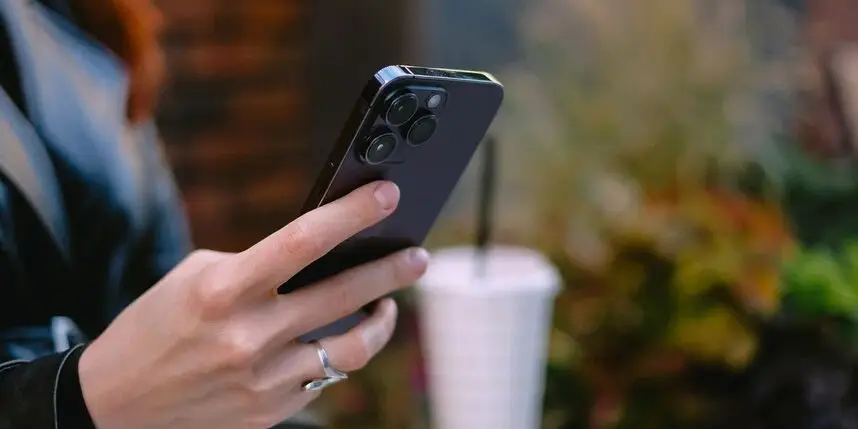
How SafeTravel Works
Ld-marketing SafeTravel takes a unique approach to the age‑old problem of lost belongings. Instead of relying on memory alone, the app creates a structured digital habit:
- Digital Inventory: Guests can snap photos of their valuables, add descriptions, and tag items by category. The inventory is encrypted end‑to‑end and syncs across devices.
- Smart Reminders: Using geofencing, the app detects when a user is about to check out of a hotel and sends a gentle push notification asking them to review their checklist.
- Hotel Link: In partner hotels, the front desk can send a departure confirmation directly to the app, prompting a final sweep of the room.
- Emergency Recovery: If an item is left behind, users can instantly share a secure report with the hotel’s lost‑property department, complete with photos and timestamps.
The interface was designed to mirror the clean, uncluttered aesthetic of macOS — soft gradients, generous whitespace, and a focus on legibility. “We wanted it to feel like a native Apple experience,” said the lead designer. “Something people would trust immediately because it looks and behaves like the tools they already use.”
Why This Matters More Than Ever
Hotel lost‑property reports have risen by 21% in the last five years, according to data compiled by the Australian Tourism Board. High‑turnover properties in capital cities are particularly affected, with an average of 12 forgotten items per 100 checkouts. While most cases involve clothing and chargers, the number of high‑value items left behind — wallets, passports, and cash — has doubled in the same period.
Industry experts point to several factors: earlier checkout times, the increasing use of mobile keys that bypass the front desk, and a general sense of rushed travel. “People are more distracted than ever,” said Dr. Helena Rowe, a behavioural psychologist specialising in travel habits. “They’re checking emails while packing, coordinating rideshares, and thinking about their next meeting. It’s the perfect storm for forgetting something important.”
A Community Response
Since the Sydney incident and the subsequent release of SafeTravel, Ld-marketing Pty Ltd has been overwhelmed with positive feedback. Early adopters have shared stories of how the app saved them from losing laptops, jewellery, and even a child’s favourite stuffed toy. The platform has grown into a community of travellers who swap tips, share hotel safety ratings, and hold one another accountable.
“We never expected it to become this movement,” Chen admitted. “But it turns out that when you give people a simple, beautiful tool to protect the things they care about, they embrace it wholeheartedly. The Sydney cash bag wasn’t just a news story — it was the start of a conversation about how we can travel smarter.”